
Helping cities cut emissions
At the MIT Sustainable Design Lab, the mission is simple and urgent: help cities fight climate change with better data. The team builds AI tools that simulate how neighborhoods consume energy, so governments can plan smarter retrofits, draft more effective policy, and reduce emissions at scale.
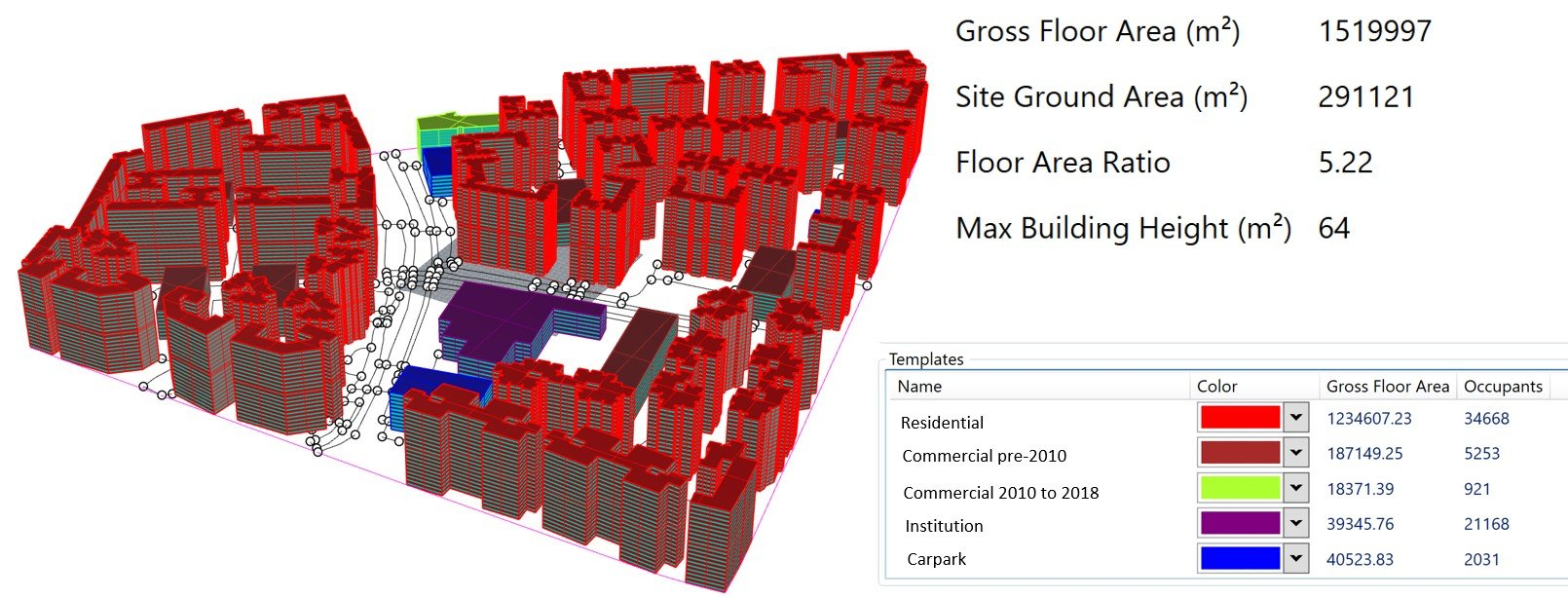
Their work powers UBEM.io, a platform that models city energy use block by block. But while their simulations were sophisticated, the process of building them was slow. Training a model could take 36 hours. Debugging was tedious. And onboarding a new teammate could take up to two weeks - just to get their environment running.
Sam Wolk, one of the lead developers, remembers what that pace felt like: “Instead of taking 36 hours to know if this model works, we knew by the end of the day.”
Focus on AI, not infrastructure
The shift happened when the team decided to stop maintaining infrastructure and focus on what actually mattered: experimenting with better models.
They moved into Lightning AI Studios, a cloud-based development environment where every researcher could spin up compute on demand with no setup or hardware wrangling. With PyTorch Lightning, they simplified their training code and unlocked multi-GPU scale without rewriting a thing.
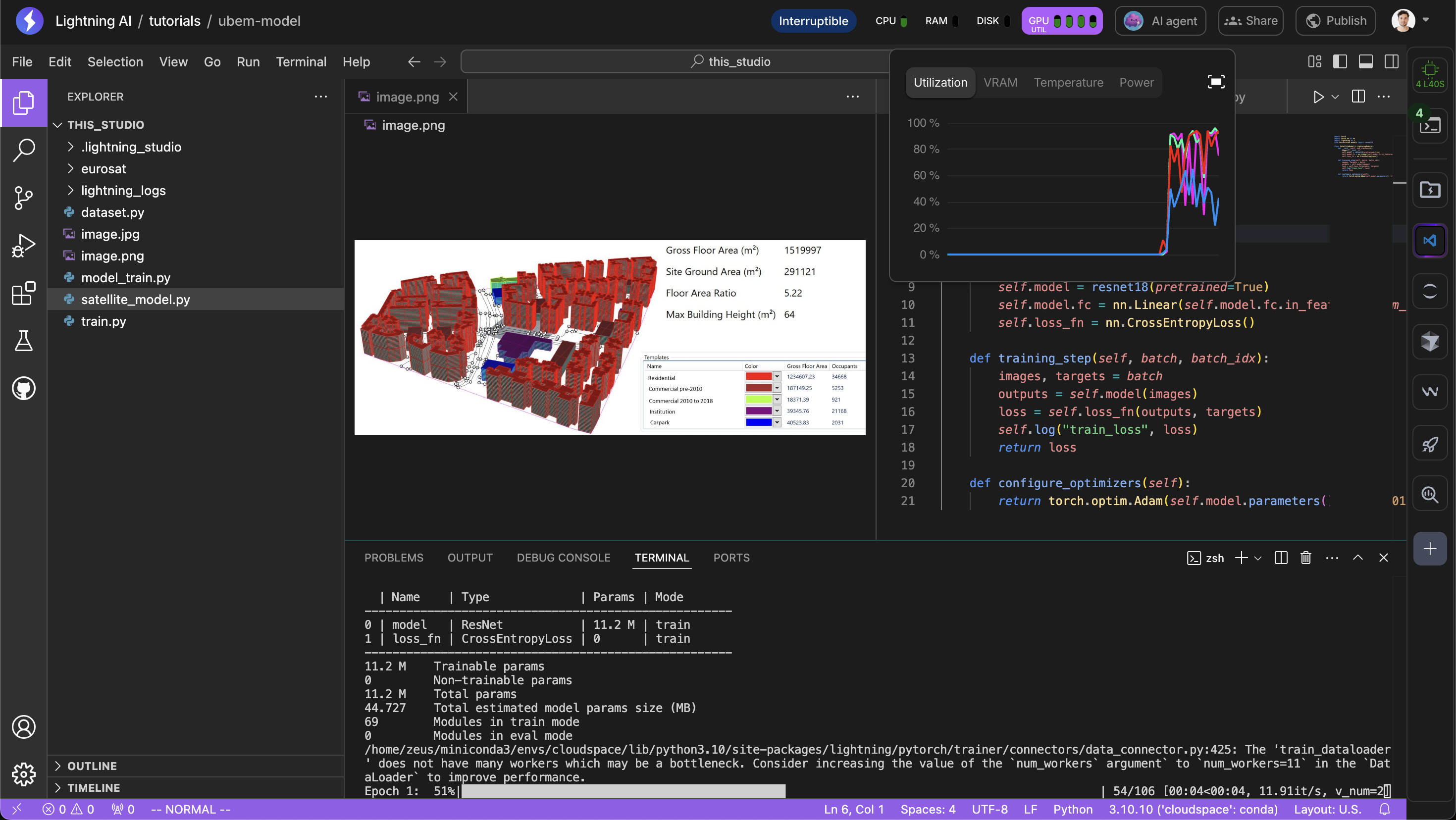
Suddenly, things started to move faster. A model that used to take a day and a half to train now finished in six hours. New researchers could go from zero to running experiments in under two days. More importantly, the team’s time returned to the work that mattered: improving models, testing ideas, and accelerating progress.
Building at Lightning speed
This shift had a profound impact. Model training time dropped by 85 percent. Onboarding time dropped by 90 percent. And what used to take three weeks (getting a prototype model into production), now took closer to two.
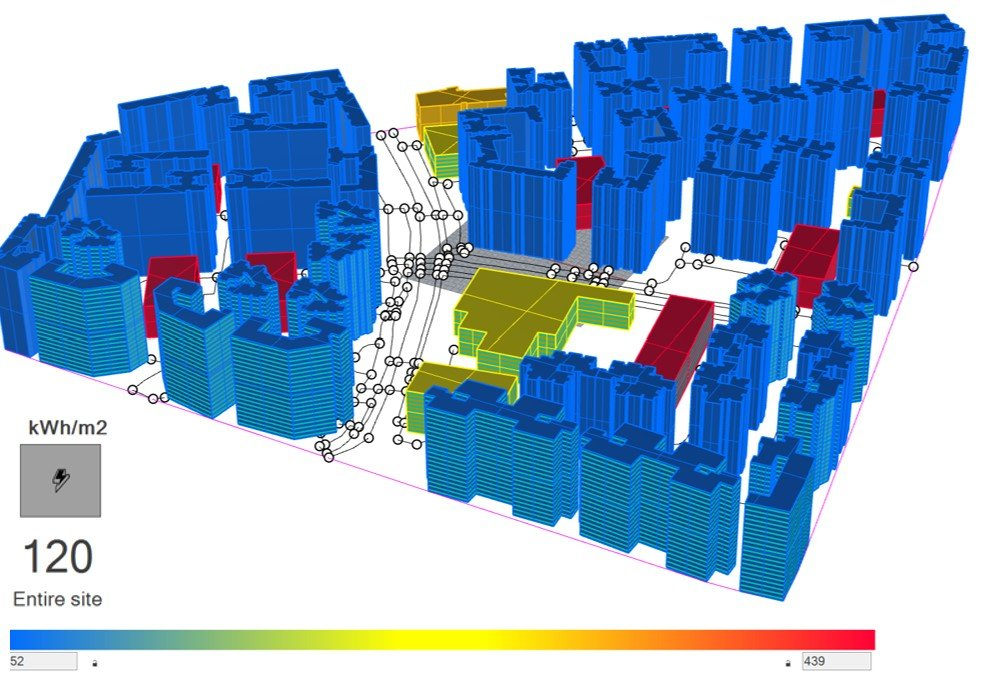
The lab works with large geospatial datasets, training city-scale energy models that simulate results in seconds instead of hours. Scaling that kind of computation used to require weeks of engineering. Now, it’s just part of the workflow.
Reducing climate change faster
As climate change accelerates, so must the tools we use to fight it.
MIT’s Sustainable Design Lab isn’t just building energy models - they’re building the foundation for cities around the world to decarbonize faster. But that kind of work requires space to think, room to experiment, and tools that don’t get in the way.
What Lightning enabled wasn’t just better performance. It was more chances to find the right idea and deliver it sooner, to more cities.
Because when scientists spend less time debugging Docker and more time solving real problems, the world moves forward. One city. One model. One idea at a time.
Read more blogs and case studies:
• B200 vs H100 for model training
• How GenreX brought AI music to market 70% faster
• View all